 01
01
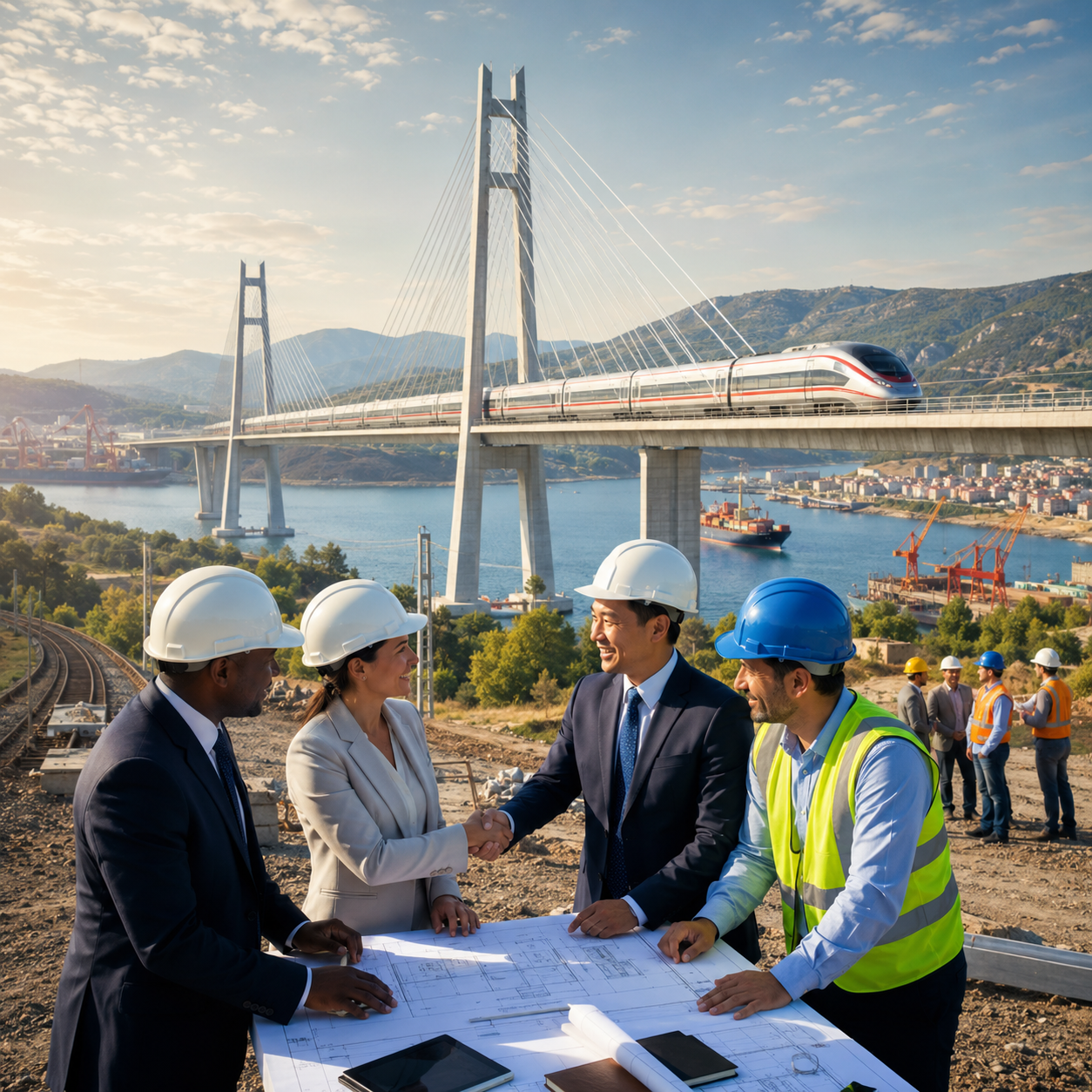
Connection between nations
A bridge or rail link between countries is more than concrete and steel. It is a lasting decision to cooperate, trade, travel, and remain connected.

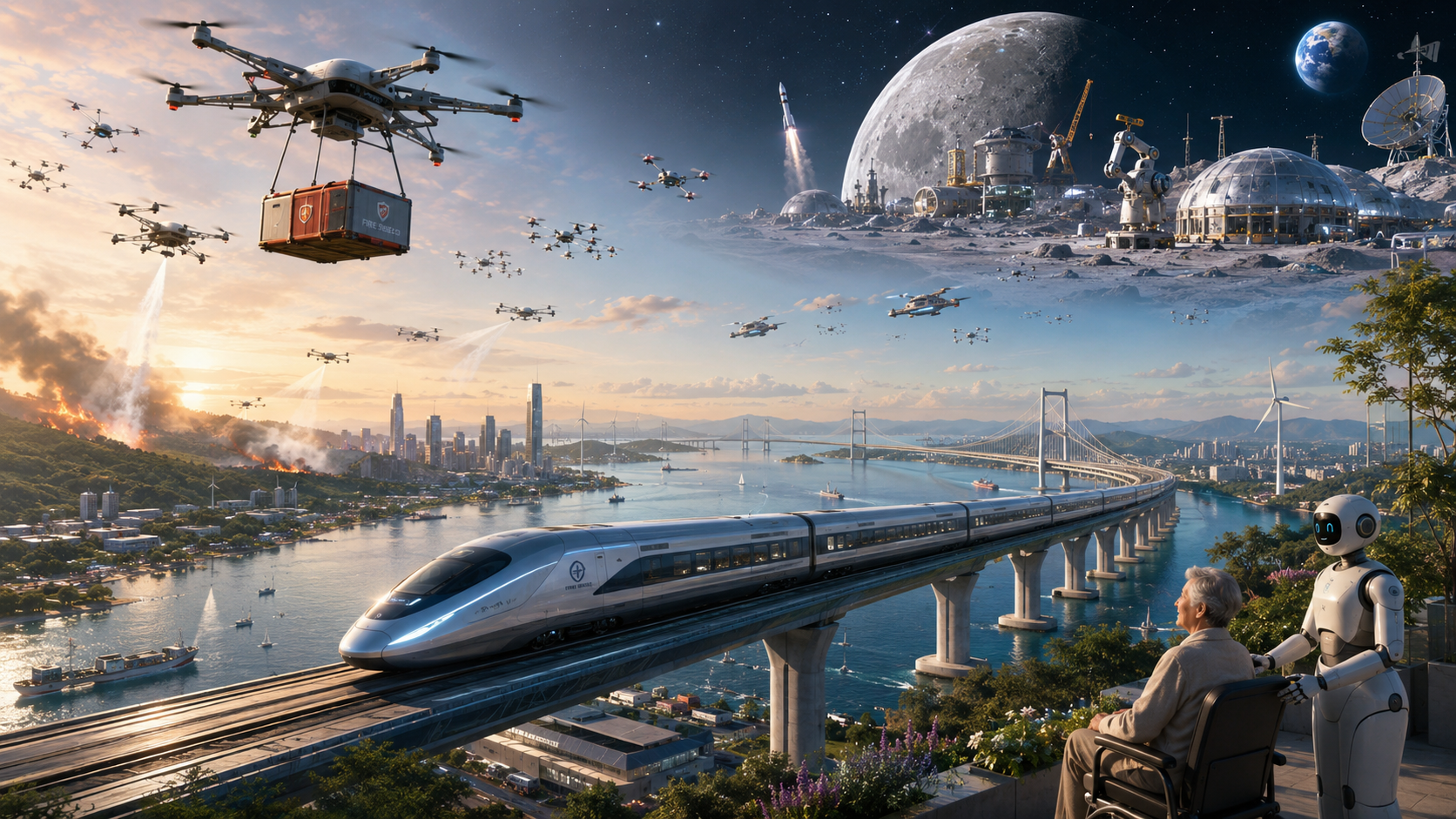
Projects with room to become real
Prosperous Planet begins with imagination, but our goal is practical: turn ambitious ideas into research programs, partnerships, prototypes, jobs, infrastructure, and eventually systems that improve life around the world.
Global Transportation
Railways helped unite Canada across enormous distances and helped drive the growth of cities, industry, and trade throughout the United States. They did more than transport people and goods: they changed what entire nations believed was possible.
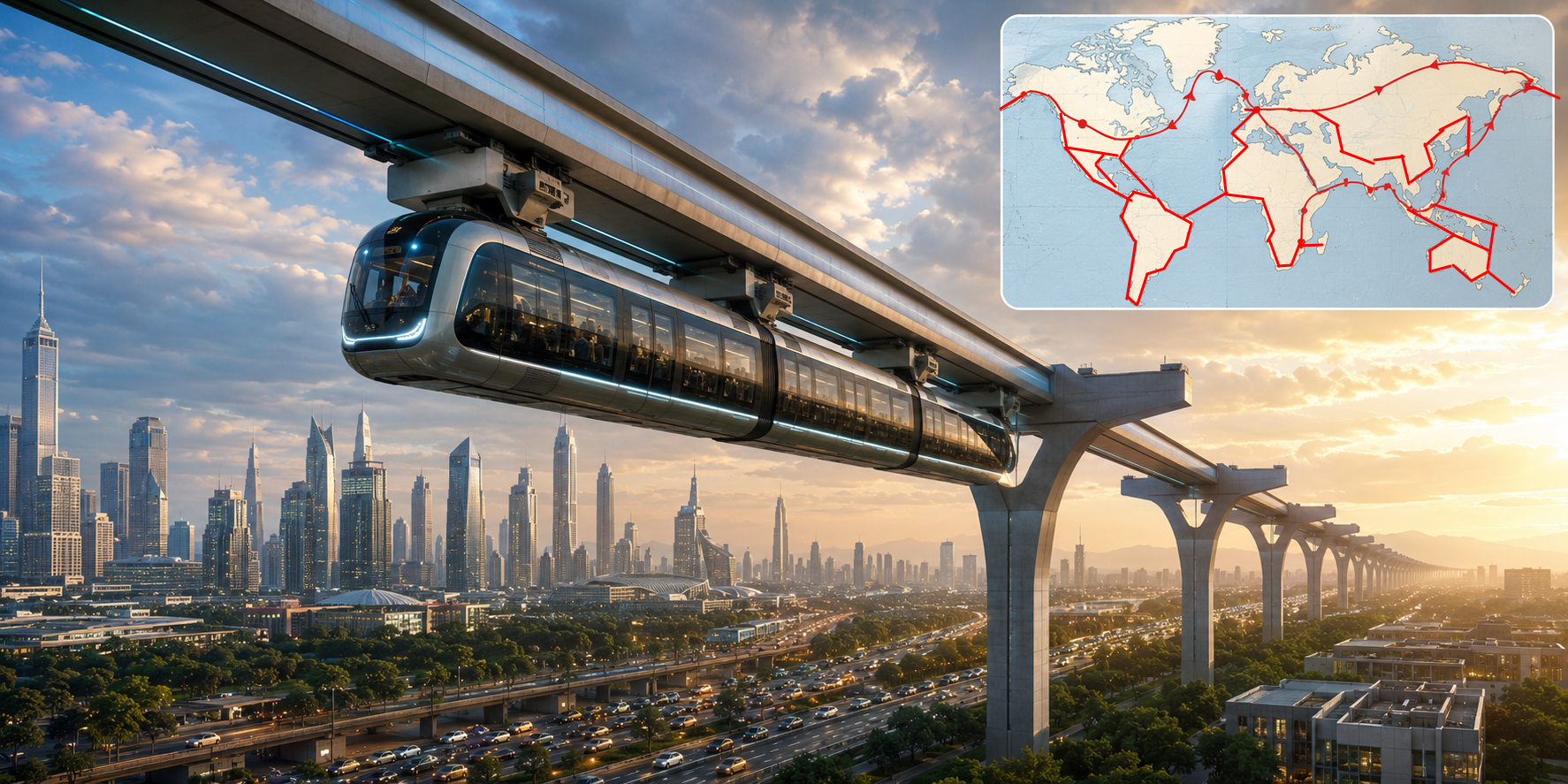
Prosperous Planet imagines taking that lesson to a global scale. A continuous international rail network could become a physical symbol of cooperation—one route connecting communities, countries, and cultures across the planet.
 01
01
A bridge or rail link between countries is more than concrete and steel. It is a lasting decision to cooperate, trade, travel, and remain connected.
 02
02
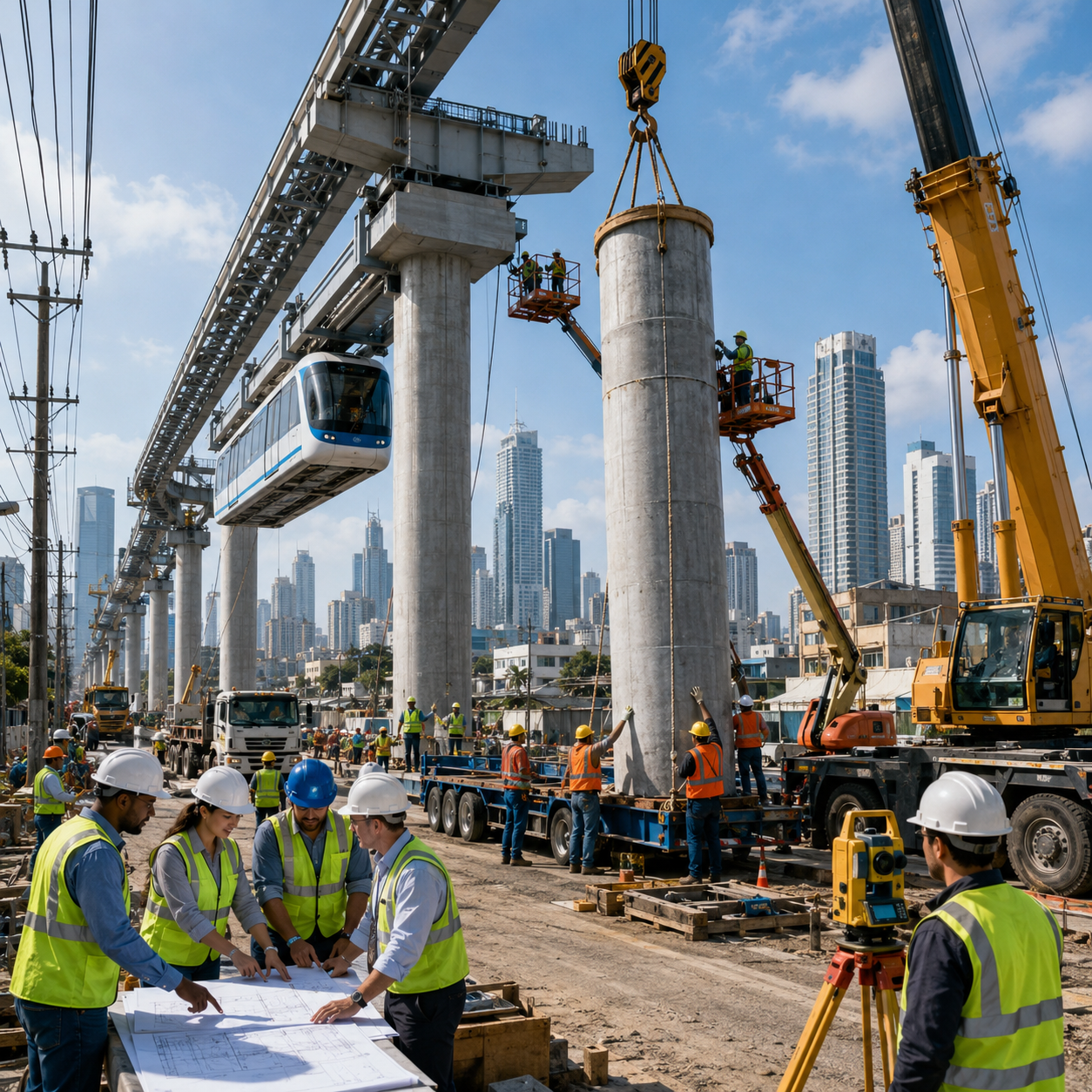
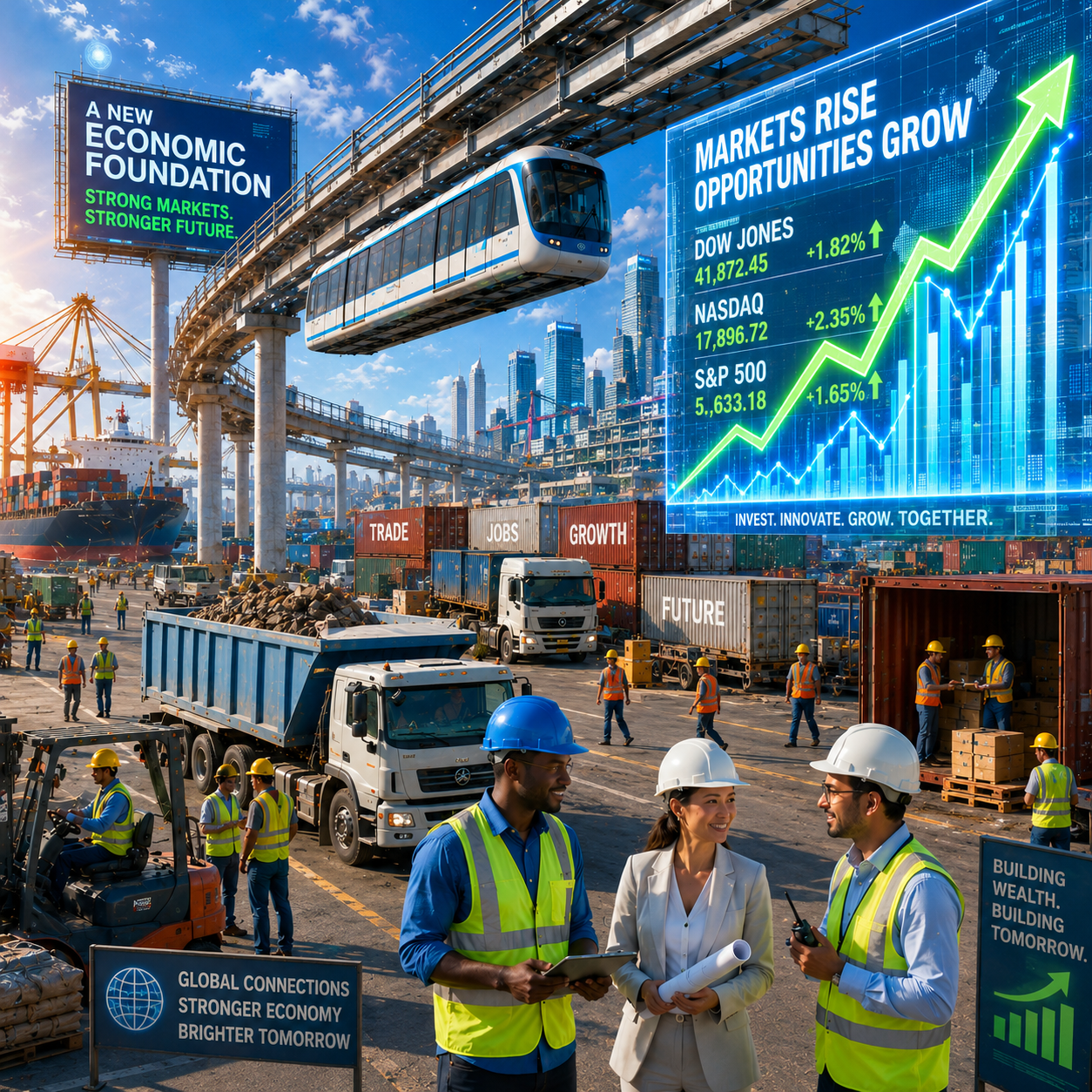
Planning, surveying, tunnelling, bridge building, manufacturing, operations, maintenance, hospitality, and logistics could support generations of skilled work around the world.
 03
03
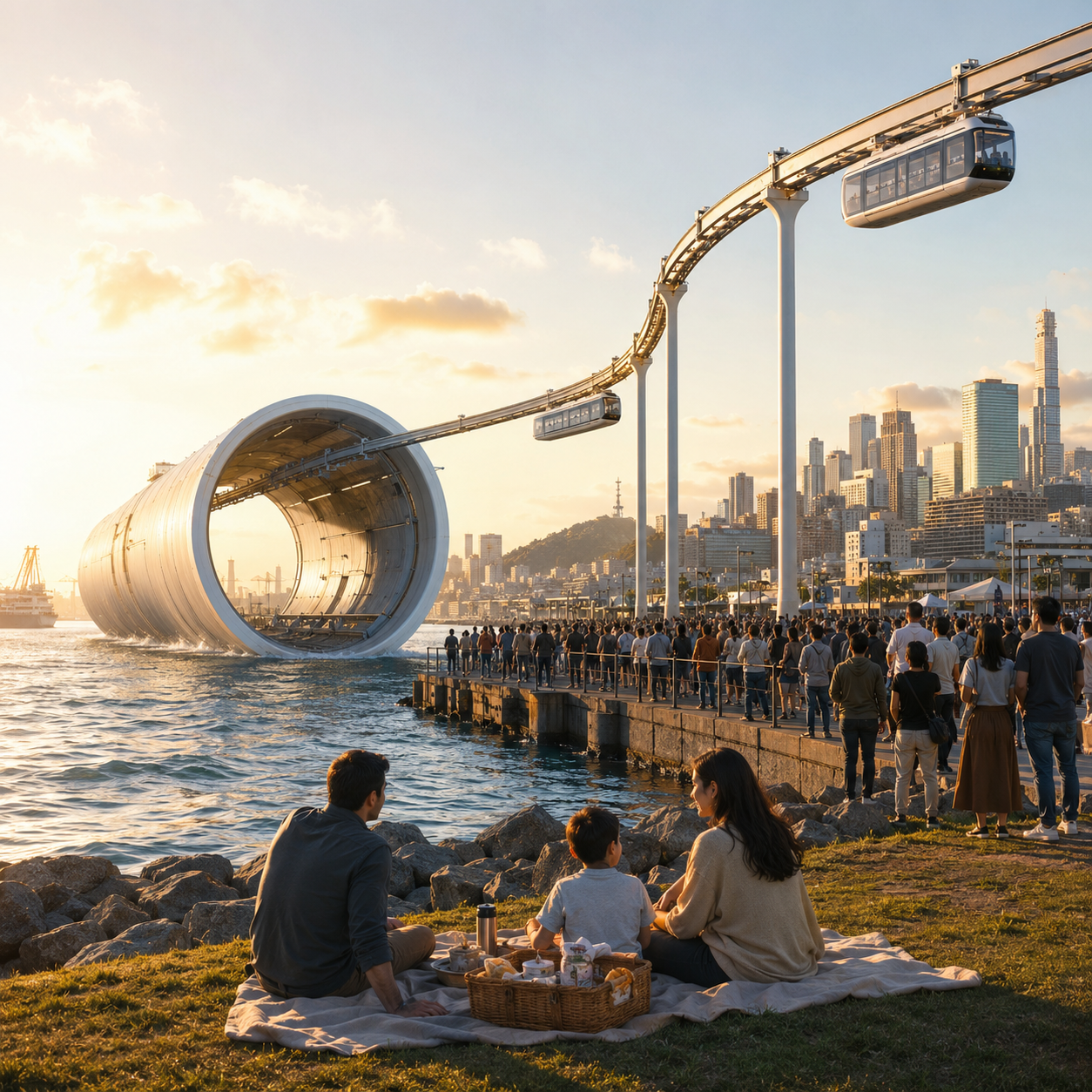
Once complete, a worldwide rail system could move people and goods through a dependable shared network, opening new markets and making distant communities easier to reach.
 04
04
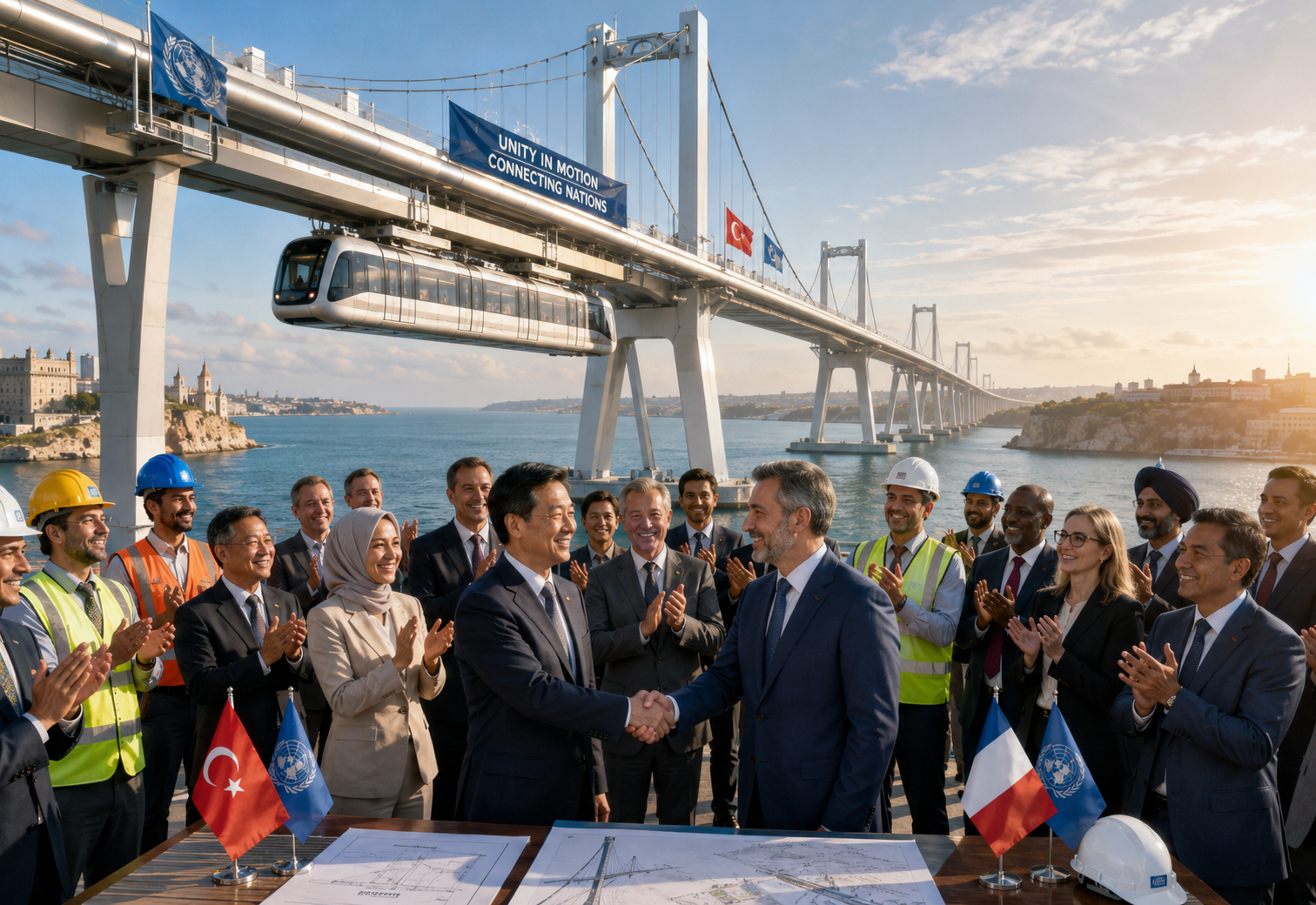
People need proof that humanity can still build great things together. A train linking the world could become that proof: practical infrastructure carrying an emotional message of unity.
From border to bridge
The first stage is not the entire planet. It is one useful route, one difficult crossing, and one partnership at a time. A bridge between neighbouring nations can create the political, economic, and engineering experience required for the next link.
Over time, separate corridors could grow into a shared network: regional rail systems connected by major bridges, tunnels, ferries, and transfer hubs until the world begins to feel smaller.
Robotics and Resilience
Coordinated robotics can operate where conditions are dangerous, exhausting, or too large for a single machine. We are interested in systems that allow many aircraft or robots to act together as one organized tool.
These concepts are at different stages of maturity. Each would require rigorous engineering, safety testing, environmental review, and collaboration with governments, researchers, emergency services, and industry.
Wildfire Defence
One concept uses a line of heavy-lift drones to carry a long, heat-resistant curtain beside an advancing wildfire. The goal would be to reduce radiant heat and airborne embers crossing into vulnerable forest, property, or evacuation routes.
Rather than replacing firefighters, the system would be designed as another defensive tool—rapidly deployed in areas that are difficult or dangerous for ground crews to reach.
Prosperous Planet is seeking partners in the Canadian government, emergency management, aerospace, materials science, and wildfire research to help evaluate and develop this idea responsibly.
Discuss a Partnership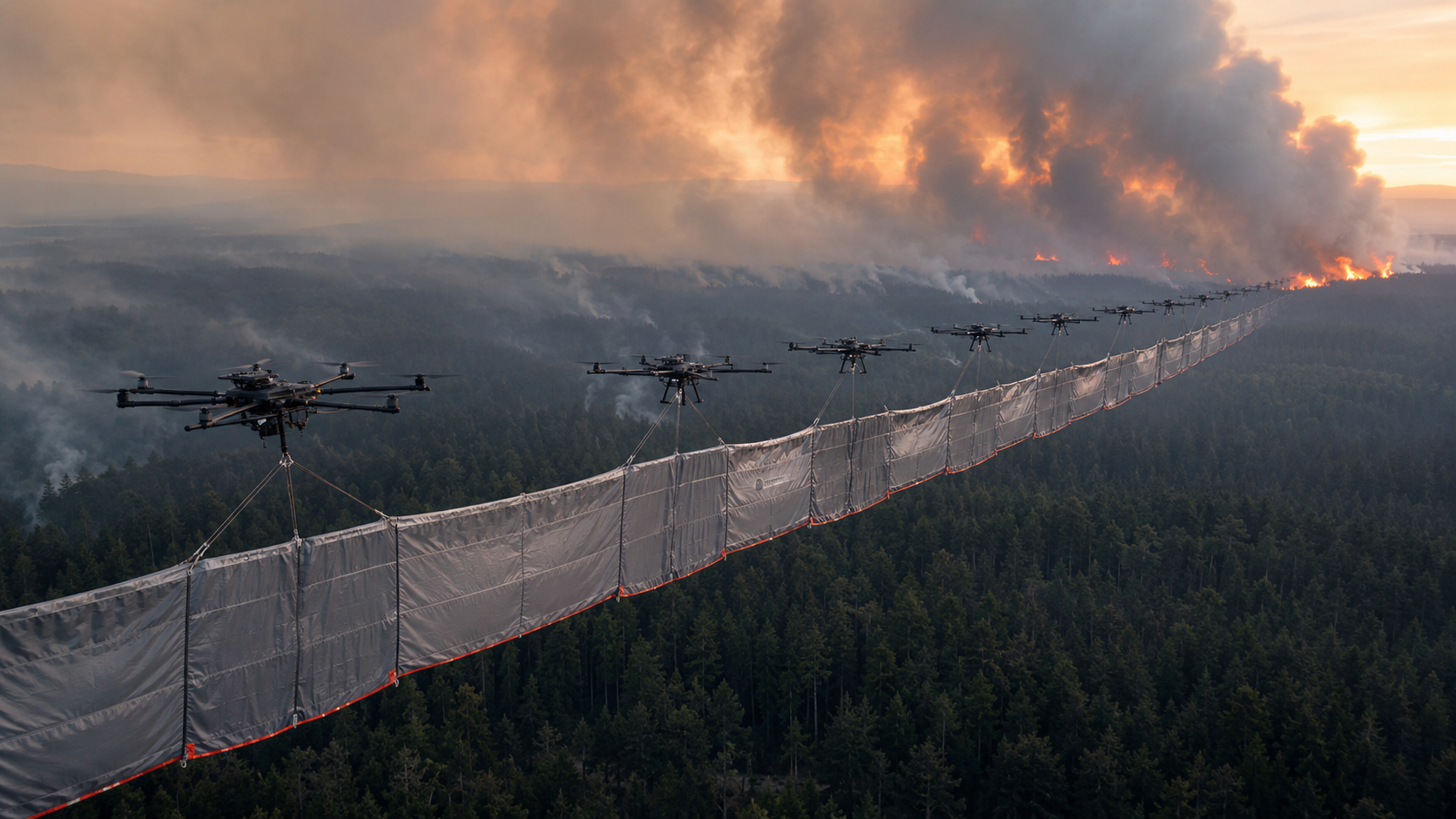
Long-Term Climate Engineering Research
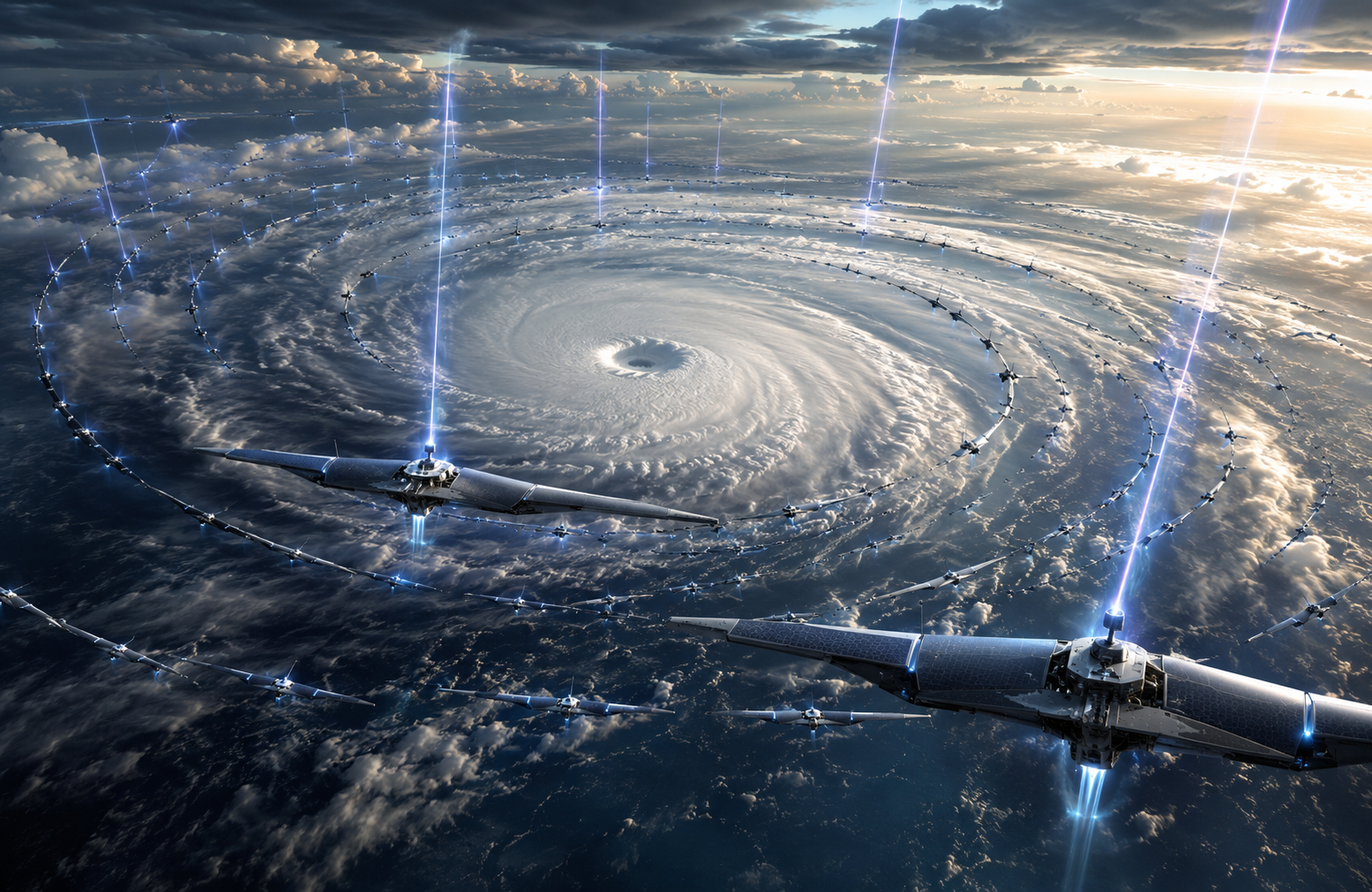
A more distant research direction considers whether very large groups of coordinated aircraft could interact with the airflow of a typhoon or hurricane. The central question is whether controlled aerodynamic drag and energy conversion could measurably reduce the destructive wind energy reaching populated areas.
One speculative extension would examine whether some captured energy could be converted into heat and whether a directed radiative system—including future laser-based methods—could move part of that energy away from vulnerable regions.
This is not presented as an established solution. It is a civilization-scale research question requiring atmospheric modelling, energy accounting, environmental safeguards, and international scientific oversight.
Artificial Intelligence
Artificial intelligence is going to become a powerful tool to shape our world. Just like with the invention of fire, it requires us to be responsible. Prosperous Planet chooses the proactive approach of imagining a prosperous future for all life on Earth, and we view Ai and Robotics as part of our toolset to create that.

Companion Robotics
We want to help design companions for elderly people who would benefit from conversation, reminders, games, storytelling, communication assistance, and a reassuring presence at home.
The purpose is not to replace family members, caregivers, or human relationships. It is to provide another source of support during the many hours when a person might otherwise be alone.

AI and Medicine
Our artificial-intelligence research is also intended to support scientific discovery. Systems that can organize complex patterns may help researchers compare biological processes, identify unusual relationships, and test new medical hypotheses.
The long-term goal is not automated medicine without oversight. It is better research tools that help qualified scientists and healthcare professionals investigate difficult problems more effectively.
The Next Frontier
Space exploration becomes more powerful when each mission helps build the tools required for the next one. Robotic mining, material refinement, construction, power generation, and transport could create a self-reinforcing cycle of development beyond Earth.
Robotic Industry
Robots can begin with prospecting and excavation, then expand into crushing, sorting, chemical refinement, manufacturing, and construction. Materials gathered in space could support larger machines, power systems, shielding, roads, landing areas, and eventually places where people can safely live.
Economic Expansion
As launch costs decline and robotic systems improve, we believe some high-value materials may eventually be refined in space and returned to Earth. More importantly, material used in space would not need to be lifted from Earth at all, allowing infrastructure to grow from local resources.
Human Settlement
Industrial systems are only the beginning. The same machines that build mines and power stations could also build pressurized rooms, research centres, greenhouses, recreation spaces, and hotels.
Help Build What Comes Next
We are interested in hearing from engineers, researchers, government partners, emergency-management professionals, artificial-intelligence developers, robotics teams, manufacturers, investors, and people who simply believe the future is still worth building.